The truth about AI in grant management software
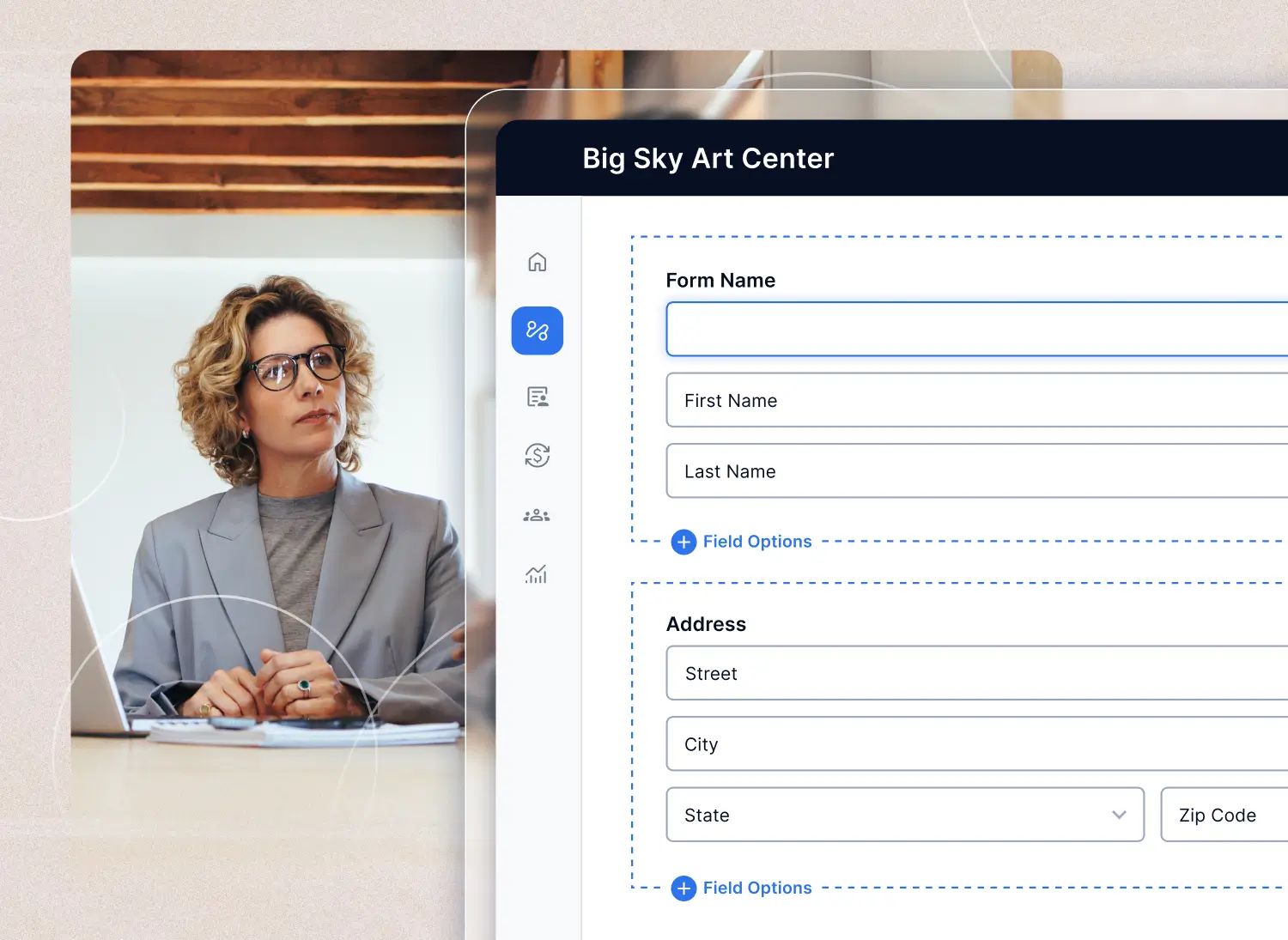
AI is a tool. It can be useful in solving problems. But just as you wouldn’t go banging a hammer around to see what happens, it doesn’t make sense to start using AI without a clear purpose.
Grantmakers who need a clear way forward can look to grant management software as a guide. As the framework for your program, your GMS can best identify where AI fits within your processes and where it doesn’t. Using AI in grant management software is a great way for funders to fold AI into their work with purpose, security, and focus.
The grantmaking problems AI can help solve
Not every problem is an AI problem. But AI in grant management software is well-positioned to help with some of the persistent issues practitioners face.
Administrative workload
People have long lamented the sheer amount of administrative work required to both apply for and administer a grant. The ongoing burnout crisis shows the severe impact this workload has on attracting and retaining talent in the sector. Plus, the burden can prevent smaller, newer nonprofits from accessing the funds they need.
The right AI tools offer a way to reduce the time spent on administrative work, especially repetitive tasks such as creating reports, verifying data, and finding mission-aligned partners. The best part is that these tools can help alleviate the pain for both funders and applicants.
Data access & understanding
For years, leaders across the philanthropic sector have been advocating for better data access and literacy. Grantmakers and nonprofits continue to spend a lot of time on organizing and understanding the data they collect. Data Orchard’s report on data literacy shows that most organizations are still learning and developing their data strategy.
AI in grant management software can make data more accessible and easy to understand, cutting down on the time it takes to go from raw data to meaningful insights. For instance it can allow team members without much experience in analytics to create reports via natural language.
Partner alignment
The grant application process itself is meant to help funders find the nonprofits that best align with their mission. But sometimes grantmakers need more context.
AI can be a tool that helps grantmakers identify potential partners, surfacing lesser-known organizations and helping funders and grantees find alignment with one another. At a time when many funders are shifting priorities, a tool that strengthens partnerships is particularly useful.
Funding reductions
While AI cannot singlehandedly reverse the current crisis of nonprofit funding, it can help mitigate some of the effects within an organization.
In short, AI tools can help a small staff do more with less. It allows teams with limited headcount to plug the gaps from funding cuts. And it gives organizations the power to scale programs without dedicating more resources to management.
Setting expectations in your approach to AI
Though AI feels like it’s everywhere in some ways, grantmakers have a lot to figure out in terms of how AI truly fits into their work. Here are some of the ways funders need to stay open and flexible.
1. Develop best practices
There’s no clear consensus on AI best practices in the grantmaking space. Sam Caplan explains what he heard at the PEAK Grantmaking Conference this year: “Everybody is using AI to look at data and to do the basics, but nobody has figured out yet how to leverage AI to really disrupt the way that we do grantmaking.”
Though there are established AI principles, organizations have to be willing to figure out the best practices along the way. That’s why it makes sense to lean on your tech partners to provide a framework for AI use—so you don’t have to build it all yourself.
2. Leave time for testing
Since the technology is so new, it’s important to build in time for trying out new approaches. Don’t expect AI to swoop in and solve problems right away. It might take time to fine-tune your approach to get it right.
Testing is an important component. Compare your original workflow (sans AI) to a new one using an AI tool. Consider what’s saved and lost in the process. Keep the dialogue with your team open. That will help you dial in your AI approach so that it’s genuinely effective for everyone.
3. Keep evolving
AI tech is changing fast. What works best for your organization today might not be the best for long, as new capabilities come into play. It’s important to keep evolving.
Deloitte’s report on AI shows how companies are rapidly shifting to take advantage of the latest AI tools. They’re experimenting and scaling projects while also building AI fluency in their employees. It’s good inspiration for grantmakers.
What AI in grant management software can do
Today, AI tools embedded in grant management software can help funders move faster for grantees while improving security and reporting.
AI application review
Using AI to assist with application review allows grantmakers to focus their energy where it belongs.
In Submittable, Smart Summary is a tool that provides an overview of applications. Beyond just a generic summary, it can provide a score based on a specific prompt. So if you want to check how well applicants align with your mission or whether they focus on a specific cause area, you can set the Smart Summary around those parameters.
Smart Reviewer is like having an extra team member reviewing alongside of you. This isn’t meant to replace human review; it serves as an extra data point to identify outliers, shine light on any bias, and be a double check for small teams who handle a lot of applications.
Verification with third-party data
If it feels like your team is spending time comparing documents to check tax information or verifying nonprofit status, automation can help.
In Submittable, grantmakers can run scripts that verify data from applicants against third-party databases such as tax records or Candid’s directory. This saves your team valuable time and ensures better fraud prevention and security by eliminating human error.
One public sector grantmaker clawed back thousands of hours and developed a better experience for their applicants by automating their data extraction process.
Natural language reporting requests
If you’ve ever tried to battle with a spreadsheet or an analytics tool to try to get the reporting data organized how you want it, you know how much time the process can eat up.
AI in grant management software now has the capability to process natural language requests. In Submittable, you can ask for the data you need in plain language, rather than trying to manipulate it yourself. So instead of sorting through columns of data, you can just type in “create a chart with applicants organized by geographical region.”
This feature only makes sense if the reporting you receive is both verifiable and flexible. The AI tool should clearly cite its source data so you can see where it’s pulling information from and identify any issues. Plus, it should allow you to adjust the outputs so that you can create the exact report you need.
Your GMS is your AI advantage
As you make decisions about how to fold AI into your work, be sure to choose a grant management software that’s building AI into its platform in thoughtful and constructive ways.
Submittable is creating AI tools that solve the real problems you’re dealing with every day. Watch our on-demand demo to see what your programs will look like with the power of Submittable behind them.

Laura Steele is a content producer at Submittable focused on the world of grantmaking and corporate giving. Her work often explores the connection between technology, equity, and social good.

A corner of the internet for grantmakers
Sub*stance is a publication by the team at Submittable. It’s a destination for the people doing the real work in the grantmaking world. Our aim is to craft pieces that dig beyond the surface level, where the real substance sits.
Explore Sub*stance